
Why Long-Term Brand Partnerships Beat One-Off Collaborations
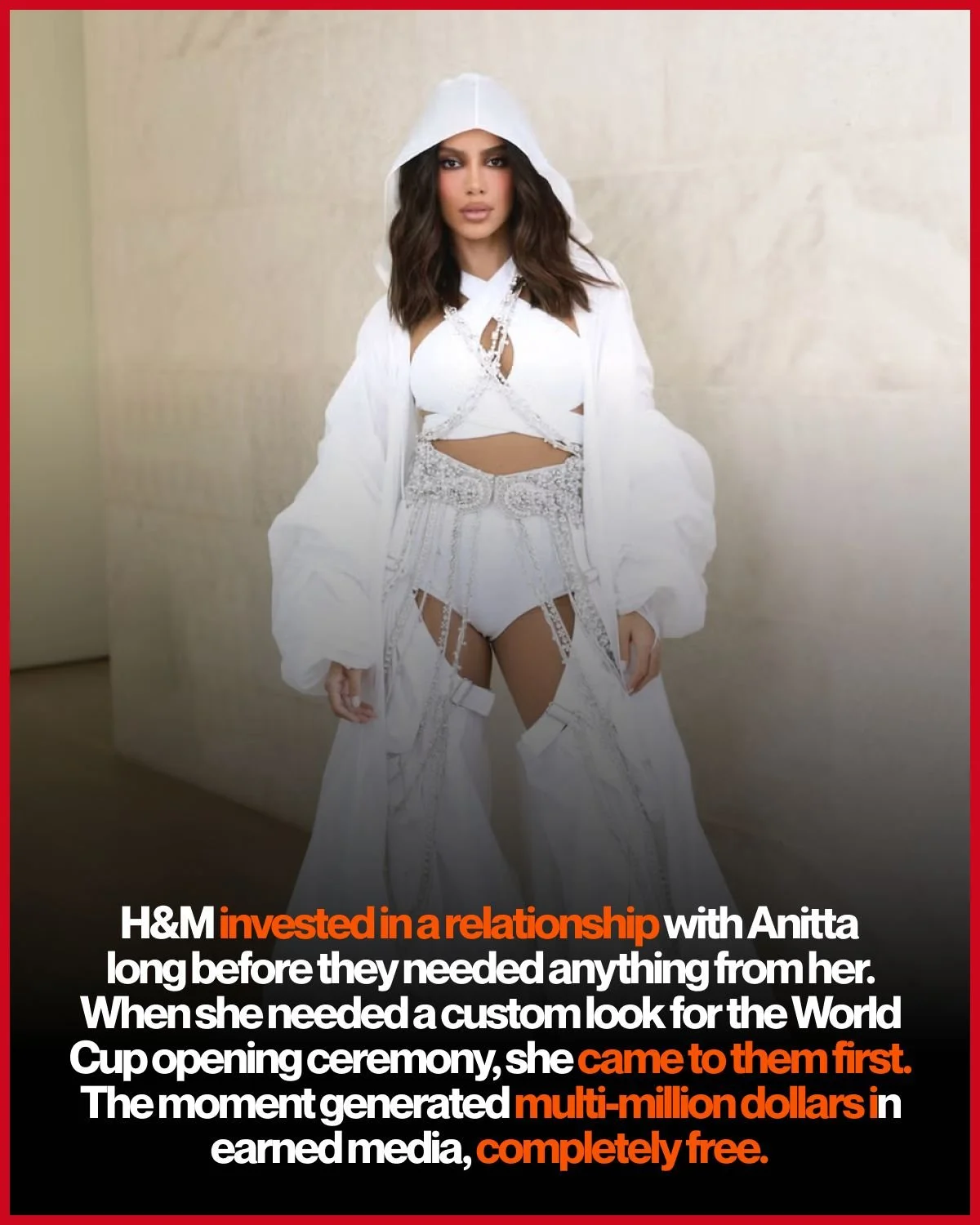
H&M just got millions in free media off one World Cup moment.
And they didn't pay a single dime for it.
This year's World Cup turned into one of the biggest brand moments of the year.
Sponsorships, tie-ins, everyone wanted a piece of it.
(And who can blame 'em, it was literally billions of eyeballs in one summer.)
But one brand walked away with the best story, and spent nothing to get it.
It started with Brazilian musician Anitta, who needed a custom look to perform at the World Cup opening ceremony.
She went to H&M.
Because H&M had already invested in that relationship long before they needed anything from her.
So, when the moment showed up, she of course went to them first.
H&M's own head of brand PR said it plainly:
Multi-million dollars in earned media, completely free, because the relationship already existed.
Compare that to how most brands run collabs.
One-off deal, paid post, campaign ends, relationship ends with it.
H&M runs a simple filter before any partnership:
What are we trying to say, and does this person fit the message?
(Not just who's trending this week.)
That's the difference between a partnership and a transaction.
One ends when the contract does.
The other keeps paying you back long after.
So if you're building out your next partnership, here's where to actually put the effort:
1️⃣ Invest before you need anything.
↳ The relationships that pay off are the ones built before there's a deal on the table.
2️⃣ Filter for message fit before moment fit.
↳ Ask what you're trying to say before you ask who's trending.
3️⃣ Play the long game with a handful of relationships.
↳ You can't buy your way into this kind of moment. You have to have already earned it.
Remember: The best partnerships don't look like marketing until the moment it matters most.
What's a brand relationship you've seen pay off way later than expected?
♻️ Repost this for the marketer still treating every collab as a one-time transaction.
And follow me, Jacob Rokeach, for more on growth and creative strategy in retail, beauty, and fashion.