
Why Most DTC Beauty Briefs Start With the Wrong Input
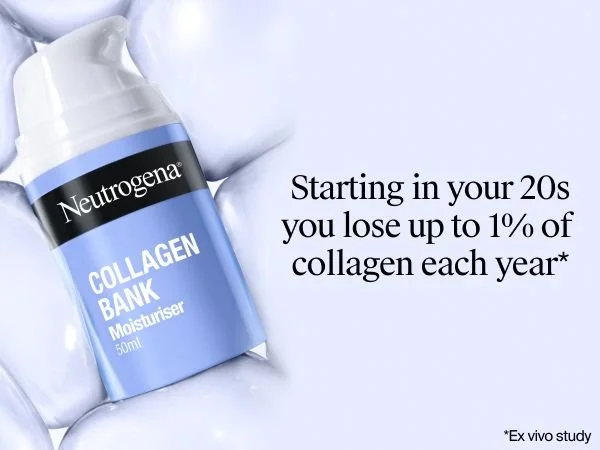
"You lose up to 1% of your collagen each year...
Starting in your 20s."
That's the hook from one of the best-performing beauty statistics on Meta right now.
No lifestyle imagery, transformation promise, or model needed.
Just a fact.
Here's why it works:
1️⃣ The fact is verifiable.
→ The audience can check it.
→ That builds trust before a single product claim is made.
→ Most ads open with a promise. This one opens with evidence.
→ Evidence doesn't need to be sold. It lands on its own.
2️⃣ The fear is specific.
→ Not just a vague threat of "ageing skin."
→ 1% of collagen loss per year, starting in your 20s.
→ Specificity is a signal that moves your audience.
→ The more precise the fear, the more the audience feels like you're talking directly to them.
3️⃣ The product is the answer.
→ Neutrogena doesn't need to say "we fix this."
→ Their image sequence does it for them.
→ The ad creates the problem, then steps out of the way.
→ That's restraint. And restraint is hard to brief for.
Neutrogena's ad is smart signal-reading in action.
The question behind their entire ad was:
"What does our audience already believe, and what are they afraid of?"
That's a different starting point entirely.
Most briefs start with the product benefit.
The best ones start with the uncomfortable truth the audience already half-knows.
When you start there...
✅ The hook writes itself.
✅ The creative becomes obvious.
✅ And the product becomes the logical next step.
Most DTC brands aren't bringing that to the table every single brief.
How does your team approach a new creative brief?
Do you start with the product, or the audience's existing belief?
♻️ Repost for someone on your team who writes or approves creative.
And follow me, Jacob Rokeach, for more briefing reframes like this.