
How to Build a Smarter Re-Engagement Email Strategy
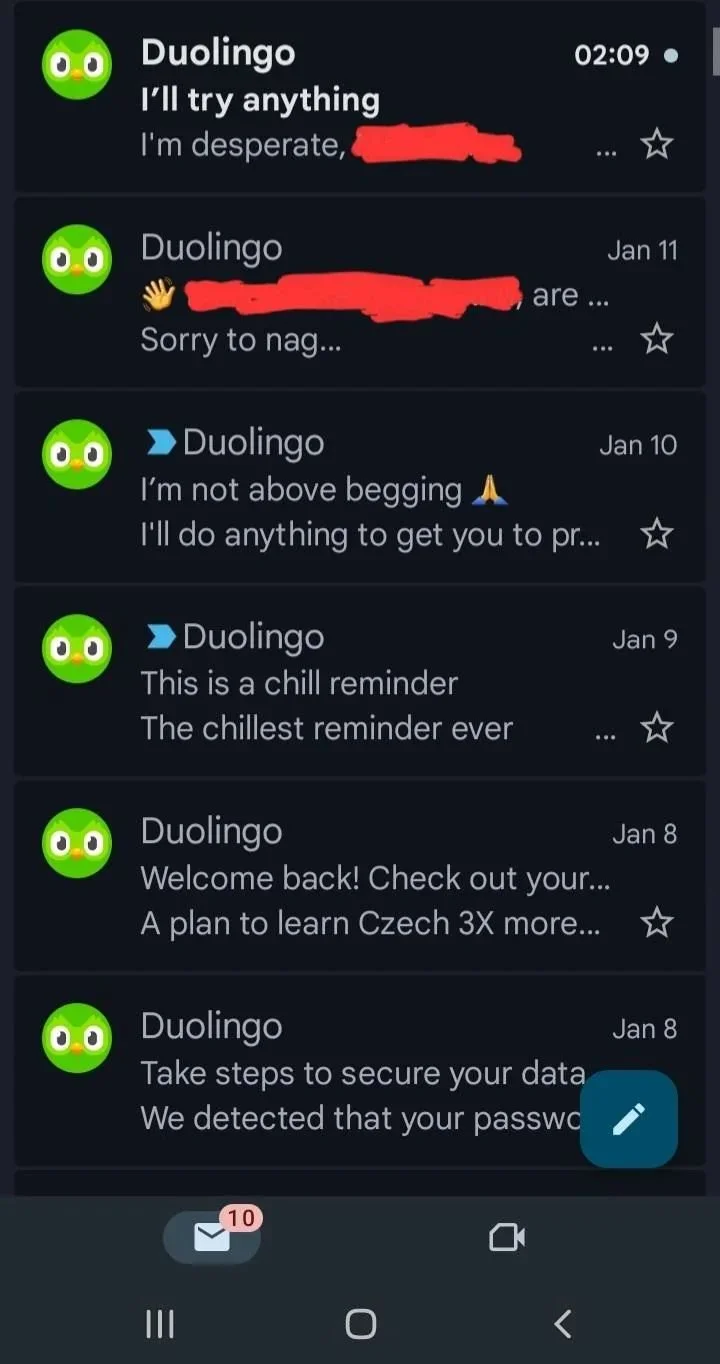
Duolingo sent 6 emails in 4 days to win back a lapsed user.
The user unsubscribed.
It all went wrong before the first email was ever sent.
First, to be clear, Duolingo has one of the best brand voices in the market.
The subject lines are fine.
The creative is not the problem.
The problem sits upstream of the inbox entirely.
Because before you send a single re-engagement email, you need to answer 3 questions 👇
🖐 Why did this user lapse?
Disengagement, a life change, a bad experience, and a change of habits all look the same in a suppression list.
They don't require the same response, so never send the same sequence to all of them.
❗ Is this user worth re-engaging?
Not every lapsed user has the same value.
Some will come back, but some have already decided they're done.
Sending 6 emails in 4 days to someone who has mentally moved on won't change their mind.
🔄 What does coming back actually look like for this person?
If you don't know why they left, you cannot know what would bring them back.
Their reason for leaving has to inform the message, or they'll never listen to you.
This is a common problem that doesn't just apply to Duolingo.
Most re-engagement programs are built around send volume and subject line testing.
Very few are built around understanding why users lapsed in the first place.
The brands that handle retention well start with the data on why users lapse.
They segment before they send.
The ones that don't send 6 emails in 4 days make the problem worse.
With Henry Rose, we took the opposite approach to volume.
We started with a careful warming send for their kickoff sale.
Prioritizing the right audience over the widest reach. Sales increased by 122%.
But the result wasn't about the email.
It was about the decision made before the email was sent.
More emails don't fix a retention problem.
Spamming ex-customers with emails won't solve the problem.
You need to know why they stopped opening in the first place.
Have you ever received a re-engagement sequence that brought you back?
What made it work? Let me know in the comments.
♻️ Repost if you've ever watched a win-back campaign accelerate the churn it was supposed to reverse.
Follow me, Jacob Rokeach, for more on lifecycle strategy and signals-first thinking.